Understanding Soil Types for Home Gardening: A Beginner’s Guide
Understanding Soil Composition
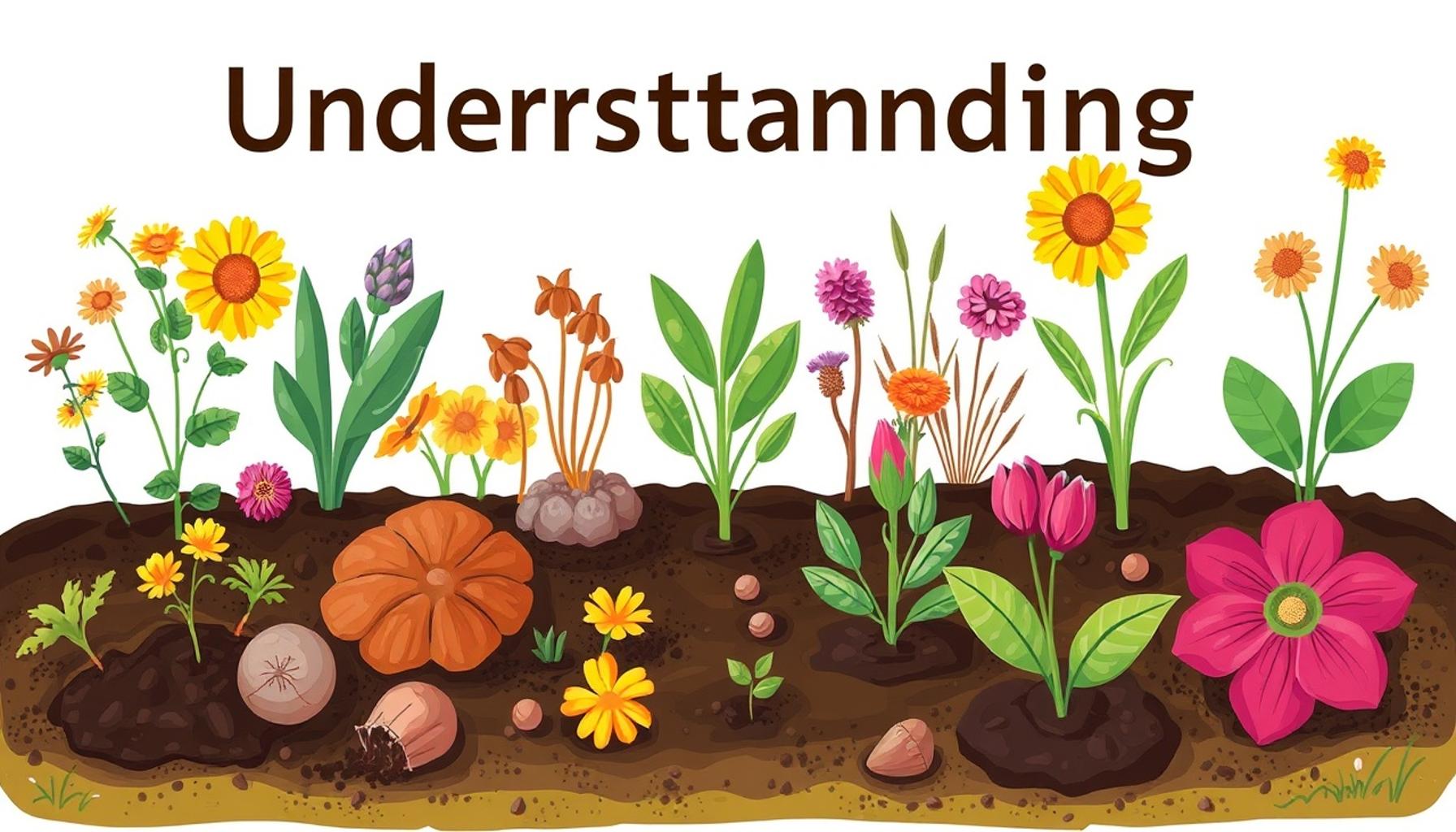
Soil is not merely dirt; it is a complex ecosystem teeming with microorganisms, organic matter, and minerals that play a crucial role in the health of plants. The composition and structure of soil determine its capacity to sustain life, and as such, it is often referred to as the lifeblood of gardening. Each soil type has its own unique characteristics that can dramatically influence the growth and development of your plants. Grasping these distinctions is key for any gardener aiming for a flourishing garden.
Why Soil Matters in Gardening
The significance of soil extends far beyond its physical presence in your garden. For instance, the type of soil can impact plant growth by directly influencing moisture retention levels and nutrient availability. For example, a plant like tomatoes thrives in well-drained, loamy soil rich in organic content while other plants, such as rice, naturally flourish in wetter, clay soils. Understanding your specific soil type allows for informed decisions in plant selection and garden design that can optimize the growing conditions.
- Sandy Soil: Known for its excellent drainage, sandy soil dries quickly, which can be advantageous for crops that prefer dryer conditions; however, this rapid drainage often means that it may lack the essential nutrients needed for healthy plant growth.
- Clay Soil: High in minerals and nutrients, clay soil has the capability to retain moisture remarkably well. Nevertheless, its dense, compact nature can impede root growth and water movement, making it challenging in certain gardening situations.
- Silty Soil: Often found near rivers and streams, silty soil is fertile and smooth to the touch. It retains moisture while also allowing for good drainage and aeration, making it ideal for a variety of plants, including many flowering varieties.
- Loamy Soil: Regarded as the gold standard among gardeners, loamy soil is a perfect blend of sand, silt, and clay. Its balanced composition allows for optimal moisture retention and nutrient delivery, making it ideal for nurturing the majority of garden plants.
How to Identify Your Soil Type
Identifying your soil type doesn’t require advanced laboratory equipment; several straightforward tests can yield valuable insights. Engaging in these assessments not only fosters a deeper understanding of your garden but also aids in making tailored amendments to boost soil health.
- The Jar Test: A simple yet effective method, this test involves mixing a sample of your soil with water in a jar, shaking well, and allowing it to settle. Over time, you will observe distinct layers forming—sand at the bottom, silt in the middle, and clay on top—helping you understand the composition of your soil.
- Soil Ribbon Test: This hands-on technique allows you to assess soil texture by taking a moist handful of soil and squeezing it in your palm. If it forms a ribbon that can hold its shape without crumbling, you may be dealing with clay; a crumbly result often indicates sandy soil.
By diving deeper into the characteristics of your soil, you open the door to making informed, effective decisions regarding your gardening practices. Are you ready to dig in and discover how unlocking the secrets of your soil can pave the way for a thriving garden ecosystem? Whether you are a seasoned gardener or just starting out, the revelations of soil analysis will surely enhance your gardening journey.
DIVE DEEPER: Click here for essential crop rotation tips
Exploring Different Soil Types
Every gardener’s success is anchored in their soil type. While soil may seem like a uniform material, its variations play a decisive role in the experience and yield of your garden. The four primary soil types—sandy, clay, silty, and loamy—offer distinct advantages and challenges that can shape your gardening strategy. Let’s take a closer look at these soil types to help you understand their unique properties and how they can impact your home garden.
Sandy Soil
Sandy soil is comprised of large particles that create significant spacing between them, which gives it excellent drainage capabilities. This quality means that sandy soil dries quickly, making it ideal for plants that prefer drier conditions, such as succulents and many herbs. However, this rapid drainage can be a double-edged sword. Sand lacks the essential nutrients found in other soil types, and without careful amendments, plants may struggle to access the nutrients they need to thrive. Furthermore, sandy soil is prone to leaching, where nutrients are washed away during heavy rainfall.
Clay Soil
In stark contrast to sandy soil, clay soil is made up of tiny particles that pack tightly together, restricting drainage yet allowing for impressive moisture retention. This soil type is rich in minerals and often teems with nutrients, making it beneficial for plants like potatoes, which can tolerate its conditions. However, the high compaction of clay soil can present challenges, as it can become excessively hard and dense, hindering root growth and water movement. For gardeners dealing with clay, it may be beneficial to incorporate organic matter to improve texture and drainage.
Silty Soil
Silty soil, often found near rivers and streams, boasts a smooth texture and is notably fertile. Its ability to retain moisture while providing adequate drainage makes it conducive to a wide range of plants, including ornamental flowers and vegetables. Silty soil is a balanced option for many gardeners, but it can become compacted if not properly managed. Regular aeration and the addition of organic matter can greatly enhance its characteristics, allowing for an appealing gardening experience.
Loamy Soil
Loamy soil is often heralded as the gold standard for home gardening enthusiasts. A harmonious blend of sand, silt, and clay, this soil type expertly balances drainage, nutrient retention, and aeration. It contains a rich assortment of organic matter, making it an excellent growing medium for a multitude of plants, from fruits and vegetables to flowering annuals and perennials. Because loamy soil provides an ideal environment for plant roots, it is the preferred choice for many seasoned gardeners looking to cultivate a diverse and thriving garden.
The Importance of Knowing Your Soil
Understanding the characteristics of the soil types available to you is not just a matter of curiosity; it is essential for creating a successful home garden. Whether you are dreaming of a bountiful vegetable garden or a vibrant flower bed, recognizing your soil type plays a key role in plant selection, garden layout, and necessary soil amendments. As you embark on your gardening adventure, take the time to evaluate your soil. Doing so will pave the way for making informed decisions that nurture a healthy garden ecosystem and ensure plant success.
Understanding the various soil types is essential for any beginner gardener looking to create a thriving garden. Different plants have unique soil requirements, and identifying the right soil type can greatly influence their growth and productivity. In this section, we will delve into specific types of soil and their benefits for home gardening.Soil is typically classified into categories: sand, silt, clay, and loam. Each type possesses distinct physical properties that influence drainage, nutrient content, and overall plant health.
Soil Types and Their Impact on Gardening
Sand Soil
Sand soil consists of larger particles, which results in excellent drainage but offers limited nutrient retention. This type is ideal for succulents and cacti, which thrive in drier conditions. Adding organic matter can ameliorate sand soil, enhancing its fertility and moisture-retaining capacity.
Silt Soil
Silt soil, with smaller particles, holds moisture well and is rich in nutrients. It provides a fertile ground for many vegetable plants. However, it can become compacted, so incorporating organic matter is recommended to maintain aeration.
Clay Soil
Clay soil is dense and retains water effectively but can also lead to poor drainage. Gardening in clay soil may require raised beds or amended soil mixes to enhance drainage. Certain crops, like leafy greens, are well-suited to this soil type due to its nutrient richness.
Loam Soil
Loam soil is often considered the gold standard for gardening, as it is a balanced mix of sand, silt, and clay. Its ability to retain moisture while draining excess water makes it perfect for a diverse range of plants. If you’re looking to establish a productive garden, loam should be your primary target.
Testing Your Soil
Before planting, it’s advisable to perform a soil test. Various kits are available that measure pH, nutrient levels, and soil texture. Understanding these factors can help you amend your soil effectively and choose the right plants for your garden’s conditions.In conclusion, the significance of understanding your garden’s soil type cannot be overstated. By gaining insights into your soil’s characteristics, you can tailor your gardening practices to optimize plant health and productivity.
LEARN MORE: Click here for identification tips
The Role of Soil Amendments
Once you’ve identified your soil type, understanding how to amend and enhance it becomes vital for gardening success. Soil amendments are materials added to soil to improve its physical or chemical properties, making it more hospitable for plants. The right amendments can transform barren, low-quality soil into a thriving foundation for your plants.
Organic Matter
One of the most beneficial additives to consider for all soil types—and especially sandy and clay soils—is organic matter. This includes compost, well-rotted manure, or leaf mold. Not only does organic matter enrich soil with essential nutrients, but it also improves soil structure. In sandy soil, it enhances water and nutrient retention, while in clay, it helps in aeration and reduces compaction. A good rule of thumb is to aim for at least 25% organic matter in your garden soil for optimal plant health.
Mulching
Another crucial practice is mulching, which involves covering the soil surface with organic materials like straw, grass clippings, or wood chips. The benefits of mulch are abundant: it retains moisture, suppresses weeds, and regulates soil temperature, particularly in the fluctuating climates often found across the United States. By applying a layer of mulch around your plants, you can maintain an ideal growing environment and minimize the need for frequent watering.
Soil Testing
Understanding soil pH and nutrient levels is essential for successful gardening. Soil testing kits are widely available and can provide insights into soil composition, including its acidity or alkalinity, and nutrient content. The general pH scale ranges from 0 to 14, with values below 7 indicating acidic soil and above 7 suggesting alkalinity. Most garden plants thrive in a pH between 6.0 and 7.5, making regular testing crucial. If tests indicate imbalances, adjustments can be made using lime to raise pH or sulfur to lower it.
Improving Drainage
For regions prone to heavy rain or locations with clay soil, proper drainage is critical. In these cases, installing raised beds can provide a solution. Raised beds not only improve drainage but also allow for better soil control. Furthermore, you can mix in coarse materials like gravel or perlite to enhance drainage within your existing plots. When planning your gardening layout, consider how water flows across your property to ensure proper drainage.
Choosing the Right Plants
Finally, aligning plant choices with soil type can make a significant difference. Understanding the needs of your plants—as well as your soil composition—can lead to a more fruitful garden. For example, native plants often require less maintenance since they are adapted to local soil and climate conditions. Investigate regional guides or consult with local agriculture extensions to discover which plants are best suited to your particular soil type and climate zone.
By combining knowledge of soil types, strategic amendments, and appropriate plant selection, you pave the way for a bountiful and rewarding gardening experience. The journey into home gardening begins with an understanding of soil, and each step taken enhances your connection to the land and the food you cultivate.
LEARN MORE: Click here for insights on automatic irrigation systems
Conclusion: Cultivating a Thriving Garden
As you embark on your home gardening journey, understanding soil types is crucial for cultivating a healthy and productive garden. By identifying your soil’s unique characteristics—be it sandy, clay, or loamy—you equip yourself with the knowledge to amend and optimize it for the needs of your plants. The incorporation of organic matter and the practice of mulching not only enhance your soil but also foster a sustainable gardening environment.
Moreover, regularly testing your soil is an often-overlooked aspect that can significantly impact your gardening success. By monitoring pH levels and nutrient availability, you can make informed adjustments that promote plant growth and vitality. For those grappling with drainage issues, consider innovative solutions such as raised beds or incorporating coarse materials to mitigate waterlogging.
Finally, always remember the importance of selecting the right plants that harmonize with your soil type. By choosing native or adapted species, you will create a less demanding and more resilient garden ecosystem. As you combine this knowledge of soil types with thoughtful practices and plant choices, you will not only nurture your garden but also deepen your connection to the earth.
In conclusion, understanding soil is the foundation of successful home gardening. With a commitment to learning and adapting, you can transform your gardening space into a flourishing retreat that provides beauty, sustenance, and joy. Explore, experiment, and enjoy the myriad rewards that come from cultivating your own piece of nature!

Linda Carter
Linda Carter is a writer specializing in gardening and growing at home for beginners. With extensive experience helping readers confidently care for plants, Linda shares practical guidance on preparing soil, choosing suitable plants, watering, planting, and maintaining home gardens. Her goal is to provide clear tips and accessible strategies that help beginners grow healthy plants and enjoy gardening in any space.