The Importance of Humidity: Irrigation Techniques for Beginners in the Garden
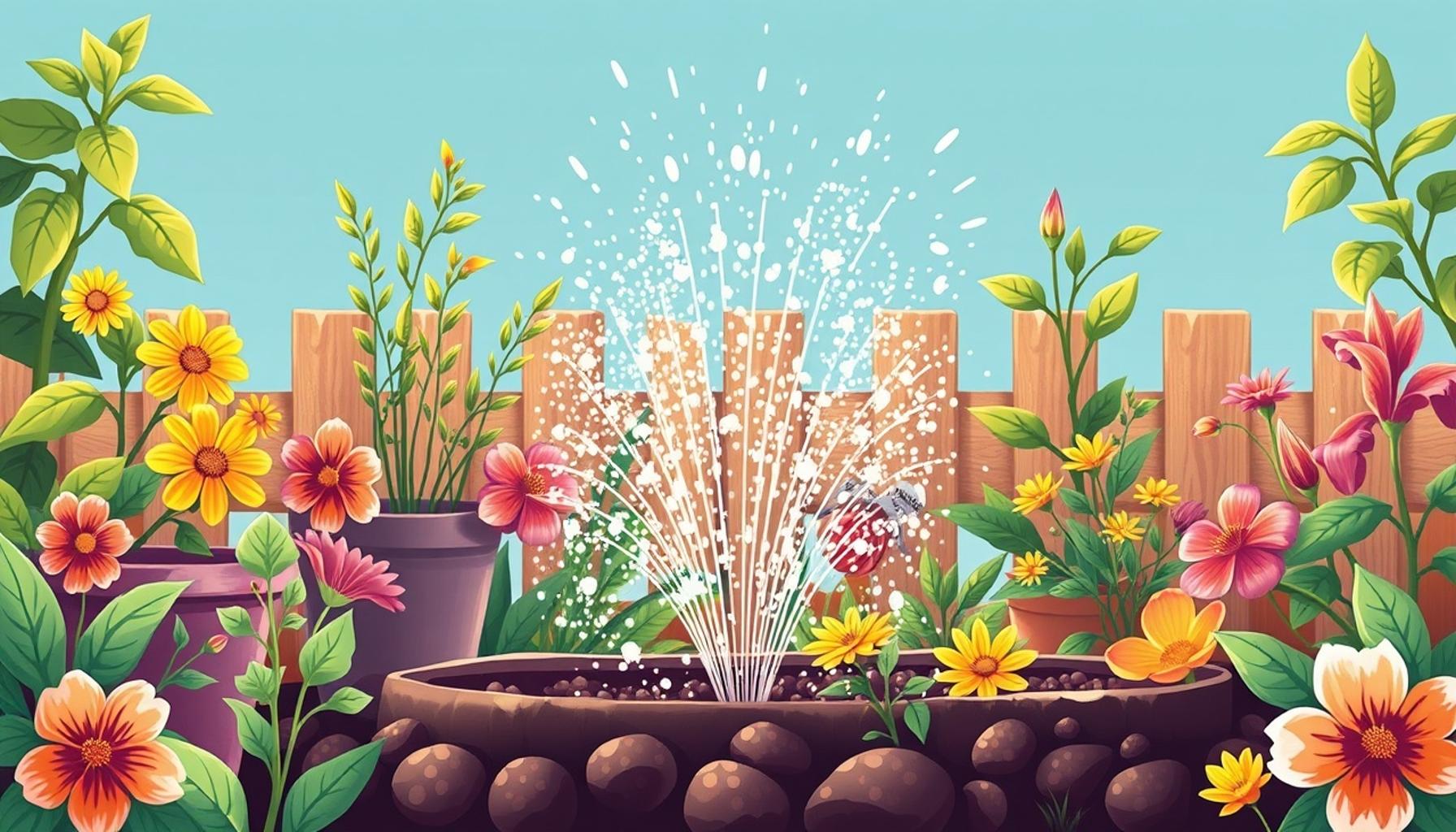
Understanding Humidity in Gardening
Humidity plays a pivotal role in the health and growth of plants. As a beginner gardener, recognizing the significance of moisture levels can enhance your gardening experience immensely.
Why Humidity Matters
Plants thrive in environments where humidity is balanced. Here are a few reasons why humidity is essential:
- Water absorption: Higher humidity helps plants absorb moisture through their leaves, a process known as foliar uptake. For instance, when the air is saturated with moisture, small pores on the leaves, called stomata, can be more receptive to absorbing water, allowing plants to maintain hydration even when soil moisture is low.
- Pest control: Proper humidity levels can reduce the likelihood of pest infestations. High humidity can deter certain pests, such as spider mites, which thrive in dry conditions. Conversely, too much humidity can create a breeding ground for fungi and other pests; thus, a balanced environment is crucial.
- Soil health: It maintains soil moisture, promoting better root growth. Healthy soil requires consistent moisture to support beneficial organisms and nutrients essential for plant development.
However, managing humidity isn’t always straightforward. Different plants require varying humidity levels:
- Tropical plants: Prefer higher humidity, often above 60%. For example, ferns and orchids will flourish in a humid greenhouse but may struggle in drier environments found in many homes.
- Desert plants: Thrive in arid conditions, around 20% humidity. Succulents and cacti are well-adapted to store water and can easily handle the low moisture levels of an arid climate.
Essential Irrigation Techniques
Understanding irrigation techniques tailored to your garden’s humidity can make all the difference. Some effective methods include:
- Drip irrigation: Delivers water directly to the root zone, minimizing evaporation and ensuring that moisture reaches where it’s needed most. This method is particularly valuable in regions prone to drought, such as the Southwestern United States.
- Sprinkler systems: Mimics rainfall but requires monitoring humidity levels to prevent overwatering. Using a smart irrigation system can automate this process, making it easier to maintain ideal moisture levels.
- Soaker hoses: Efficient for maintaining soil moisture consistently. These porous hoses allow water to seep out slowly along the length, ensuring even moisture distribution, especially important for larger gardens.
By mastering the balance of humidity and irrigation techniques, you can foster a thriving garden. As you learn to adapt your approaches based on your specific plants and local climate conditions, this learning path will empower you to create a flourishing environment for your plants. Dive deeper into the world of gardening, and explore additional resources, local gardening clubs, or community workshops to further enhance your skills and knowledge.
DISCOVER MORE: Click here to learn about creating a pest-resistant garden
Finding the Right Balance: Humidity and Irrigation
As a budding gardener, mastering the delicate dance between humidity and irrigation can significantly impact your success. With diverse climatic conditions across the United States, understanding how to manage both elements can help you cultivate a vibrant and productive garden.
Humidity’s Impact on Growth
Understanding the relationship between humidity and plant growth is vital for beginners. Many common issues—such as wilting, stunted growth, or disease—can often be traced back to improperly managed humidity levels. Grasping how humidity affects your thriving plants can not only foster a successful garden but also deepen your appreciation for the complexities of nature.
- Transpiration: Plants engage in a process known as transpiration, where they lose moisture through their leaves. This crucial mechanism is significantly influenced by humidity levels in the air. In dry conditions, plants transpire more rapidly, leading to increased water loss, which can, in turn, cause wilting or stress. Conversely, high humidity can reduce the transpiration rate, which might inhibit the plant’s ability to absorb nutrients effectively from the soil.
- Seed germination: Successful seed germination relies heavily on the right moisture balance. Most seeds thrive in a specific humidity range. For example, too much humidity can encourage fungal diseases like damping-off, while too little can prevent seeds from sprouting altogether. Familiarize yourself with the optimal humidity requirements for each type of seed; for instance, warm-season crops like bell peppers may require different conditions compared to cool-season crops like lettuce.
- Flowering and fruiting: Various flowering plants benefit from moderate to high humidity levels during their blooming phase, leading to bountiful yields. For instance, tomatoes and peppers tend to flourish when humidity is maintained at a higher level while they are flowering. Conversely, excessive humidity during fruiting can lead to issues such as blossom end rot, a common concern for gardeners.
Choosing the Right Irrigation Method
Irrigation techniques play a critical role in managing humidity and overall plant health. Here are some beginner-friendly methods to consider that can significantly enhance your gardening journey:
- Hand watering: This traditional approach allows you to monitor your plants closely, providing individual attention to their hydration needs. It’s an excellent method for small gardens or container plants, enabling you to adjust the amount of water applied based on current conditions and your plants’ immediate requirements.
- Rain barrels: Collecting rainwater is an eco-friendly practice that not only conserves resources but also offers your plants access to natural, chlorine-free moisture. Utilizing rain barrels can help increase humidity around your garden, which can be especially beneficial in arid regions. This method teaches you to work with nature and tap into sustainable practices.
- Mulching: Although not a direct irrigation technique, applying a layer of organic mulch serves to maintain soil moisture levels and regulate temperature. This is particularly useful in warmer climates where the harsh sun can quickly lead to evaporation of soil moisture. Additionally, mulch can break down over time, enriching the soil and enhancing its ability to retain water.
By gaining a deeper understanding of humidity and implementing effective irrigation strategies, beginners can lay a solid foundation for their gardening endeavors. As you explore the balance between these two elements, consider the unique needs of your plants, local climate, and soil type. For example, understanding that southern states with their warmer climates may require different watering schedules and humidity controls than northern states can be key to success.
With this knowledge, you can overcome common challenges and help your garden flourish in the face of various environmental conditions. Start your journey with hands-on experimentation, and don’t hesitate to seek local gardening workshops or online forums where you can learn from fellow enthusiasts. The more you explore and adapt, the more you will enjoy the rewarding world of gardening.
The Role of Humidity in Plant Growth
Understanding the importance of humidity is crucial for any aspiring gardener. Humidity influences a plant’s ability to absorb moisture, which directly affects its overall health. A balanced level of humidity not only helps in the transpiration process but also promotes effective nutrient uptake. When humidity levels are optimal, plants can thrive, showcasing lush foliage and vibrant blooms.
Essential Irrigation Techniques
For beginners, mastering irrigation techniques is key to maintaining the right moisture levels. Here are some effective methods:
- Drip Irrigation: This technique minimizes water wastage by delivering water directly to the roots, ensuring that plants receive the necessary moisture without excess evaporation.
- Soaker Hoses: These porous hoses allow water to seep through slowly, providing consistent moisture levels in the soil while also maintaining humidity around the plants.
- Mulching: Adding a layer of mulch helps in retaining soil moisture, thereby creating a humid environment that is beneficial for roots and prevents weeds from thriving.
- Regular Monitoring: Utilizing a hygrometer can aid in tracking humidity levels, allowing gardeners to adjust their techniques accordingly to maintain an ideal growing atmosphere.
Optimizing Humidity for Specific Plants
Different plants have varying humidity requirements. For instance, tropical plants such as ferns and orchids prefer higher humidity levels, while succulents thrive in drier conditions. Understanding these needs can inform your irrigation methods and help you create a suitable environment for each type of plant.
| Irrigation Technique | Benefits |
|---|---|
| Drip Irrigation | Delivers water directly to roots, reducing evaporation and optimizing humidity levels. |
| Mulching | Retains soil moisture and enhances humidity around plants. |
Understanding and implementing these irrigation techniques will not only foster a thriving garden but also highlight the crucial relationship between humidity and plant health. By progressively adjusting your methods and taking note of your plants’ responses, you can cultivate a vibrant, flourishing garden that enjoys the benefits of effective humidity management.
DISCOVER MORE: Click here for seasonal garden tips
Advanced Irrigation Techniques for Humidity Management
Once you become comfortable with basic irrigation techniques, it’s time to explore more advanced methods that can effectively manage humidity levels in your garden. These methods not only optimize water usage but also enhance plant health, allowing you to cultivate a more resilient growing environment.
Drip Irrigation Systems
Drip irrigation is a highly efficient method recommended for beginners looking to maintain optimal humidity levels without oversaturating their plants. This technique delivers water directly to the root zone through a network of tubing and emitters, which minimizes evaporation and runoff. The advantages of drip irrigation include:
- Efficiency: Drip systems can save up to 50% more water compared to conventional watering methods, making it ideal for regions facing water restrictions or those aiming to conserve resources.
- Reduced risk of disease: By keeping foliage drier and focusing water distribution at the roots, plants are less likely to develop fungal diseases exacerbated by high humidity on surface leaves.
- Customization: Users can tailor the watering schedule to meet specific humidity needs for different plants, allowing for a more precise approach to irrigation.
While setting up a drip irrigation system may require some initial investment and research, the long-term benefits far outweigh the costs. Local hardware stores or gardening centers often offer kits suitable for small and medium-sized gardens, making this sophisticated approach accessible to beginners.
Soaker Hoses
If you’re looking for a simpler alternative to drip systems, soaker hoses are an excellent option. These permeable hoses slowly release water along their entire length, ensuring even moisture distribution. When using soaker hoses, consider the following:
- Surface coverage: Lay the hoses in a winding pattern around your garden beds to allow water to seep into the soil evenly, thus maintaining consistent humidity levels and preventing dry spots.
- Timing: Watering in the early morning or late evening, when evaporation rates are lower, ensures that your plants receive the moisture they need without rapid loss.
- Health Benefits: Soaker hoses can decrease weed growth by keeping surrounding soil drier. This means less competition for nutrients and water, ultimately benefiting your plants.
Smart Irrigation Technology
The rise of technology has also given birth to smart irrigation systems that can significantly enhance your gardening experience. These systems utilize sensors, weather forecasts, and even smartphone applications to determine when and how much to water your plants based on real-time humidity data. Some key benefits include:
- Automation: Smart irrigation systems eliminate the need for daily monitoring, allowing you to focus more on other gardening tasks.
- Resource management: They precisely calculate the necessary amount of water, ensuring that plants receive exactly what they need while conserving resources and preventing overwatering.
- Integration with other technologies: Many systems can integrate with soil sensors and weather stations, providing a comprehensive insight into your garden’s needs.
As you delve into the world of planting, grasping advanced irrigation techniques offers a multitude of advantages, especially in managing humidity levels. A well-planned approach to irrigation—combined with an understanding of your local climate and plant requirements—can lead to a thriving garden experience. Keep in mind that experimenting with multiple methodologies may yield the best results for your unique growing conditions.
DISCOVER MORE: Click here for essential tips on crop rotation
Conclusion
Understanding humidity and its crucial role in gardening can transform your approach to cultivating plants. As you embark on your gardening journey, mastering irrigation techniques is essential not only for maintaining the right moisture level but also for promoting plant health and resilience. Each method, from drip irrigation to soaker hoses and innovative smart systems, presents unique advantages tailored to suit various garden types and plant needs.
By adopting these advanced practices, you’ll cultivate a deeper understanding of how your garden interacts with its environment. This knowledge allows you to make informed decisions about when and how to water, helping you strike the perfect balance between providing adequate moisture and preventing issues associated with excess humidity, such as fungal diseases.
Additionally, experimenting with different techniques can lead to valuable insights, enabling you to discover which strategies yield the best results for your specific conditions. Whether you’re tending to a vegetable patch or a flower bed, applying effective irrigation methods will not only conserve resources but also optimize growth and vitality.
In conclusion, as you develop your gardening skills, don’t overlook the importance of humidity management through efficient irrigation techniques. Your commitment to learning and adapting will ultimately reward you with a flourishing garden, ensuring a fruitful and enjoyable gardening experience. Dive deeper into these techniques, as they will become the foundation of a successful and sustainable gardening adventure.

Linda Carter
Linda Carter is a writer specializing in gardening and growing at home for beginners. With extensive experience helping readers confidently care for plants, Linda shares practical guidance on preparing soil, choosing suitable plants, watering, planting, and maintaining home gardens. Her goal is to provide clear tips and accessible strategies that help beginners grow healthy plants and enjoy gardening in any space.